

Understanding Behavioral Learning Support in Early Childhood
Some children need additional support to develop communication, behavior regulation, attention, and daily living skills. ABA Therapy (Applied Behavior Analysis) is a structured, evidence-based approach that focuses on teaching meaningful skills through consistent guidance and reinforcement.
At Stars Assessment Center, ABA-based support is centered on helping children learn skills that improve independence, communication, and participation in everyday life.
What ABA Therapy Focuses On
ABA Therapy is designed to understand behavior and teach functional skills that support daily development.
It may focus on:
- Building communication and language skills
- Improving attention and focus
- Supporting behavior regulation
- Developing social interaction skills
- Encouraging learning through structured routines
- Strengthening daily living and adaptive skills
Each plan is individualized based on the child's developmental needs.
When Families Consider ABA Therapy
Parents may explore ABA support when they notice:
- Difficulty with communication or expressing needs
- Repetitive or challenging behaviors
- Trouble following instructions or routines
- Limited social interaction or engagement
- Strong difficulty with transitions or changes
- Delays in adaptive or learning skills
These concerns may appear differently in each child and can change over time.
Schedule an EvaluationHow ABA-Based Support Is Delivered
ABA Therapy is not a one-size-fits-all program. It is built around structured learning and consistent reinforcement.
Skill Assessment
Understanding current developmental and behavioral abilities.
Individualized Plan
Creating goals based on communication, behavior, and daily skills.
Structured Teaching
Breaking skills into small, manageable steps.
Positive Reinforcement
Encouraging desired behaviors through consistent support.
Progress Monitoring
Tracking development and adjusting goals as needed.
Skills Supported Through ABA Therapy
ABA-based intervention can help children develop skills in areas such as:
- Functional communication
- Early learning readiness
- Social interaction
- Emotional and behavioral regulation
- Play and engagement skills
- Independence in daily routines
Why Early Behavioral Support Matters
Early intervention can make learning more effective during the critical developmental years. It helps children:
- Learn communication in structured steps
- Build consistency in behavior and routines
- Improve engagement with their environment
- Develop independence over time
- Strengthen readiness for learning environments
Our Approach to ABA-Based Support
At Stars Assessment Center, support is structured, goal-oriented, and tailored to each child's developmental profile.
We focus on:
- Individual learning needs
- Clear and measurable goals
- Positive, supportive reinforcement strategies
- Family involvement in progress
- Practical skills that apply to daily life
Why Families Choose Stars Assessment Center
- Structured Behavior-Based Learning We use clear, step-by-step teaching methods that help children build new skills through repetition and positive reinforcement.
- Individualized Skill-Building Plans Every program is tailored to the child’s current abilities, learning pace, and developmental needs.
- Focus on Functional Communication We prioritize helping children express needs, reduce frustration, and use communication in meaningful ways.
- Consistency Across Environments Strategies are designed to be applied across therapy sessions, home routines, and daily interactions.
- Measurable Skill Development We focus on observable changes in behavior and skill acquisition over time.
- Parent Coaching & Skill Reinforcement Families are guided on how to reinforce learning and support consistency at home.
Building Meaningful Learning Through Structure
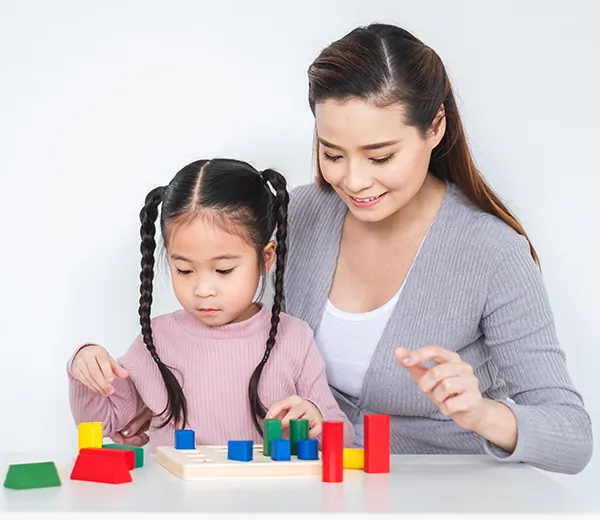
ABA-based support focuses on teaching children how to learn skills, communicate, and manage daily routines through structured, step-by-step learning.
Instead of focusing on broad milestones, skills are broken into smaller, teachable steps that are practiced consistently over time.
ABA therapy supports:
- Functional communication and expressive skills
- Daily routines and task participation
- Attention and learning readiness
- Social interaction and engagement
- Behavioral regulation and flexibility
Early structured support helps build stronger foundations for learning and independence.
Supporting Your Child's Developmental Progress
Every small skill learned through repetition and structure contributes to larger developmental growth over time.
Stars Assessment Center provides ABA Therapy services for families across Northern & Central California.
Frequently Asked Questions
ABA therapy is used to help children build communication, learning, behavior, and daily living skills through structured teaching methods.
ABA therapy is commonly used for young children, especially during early developmental years when learning patterns are forming.
It focuses on communication, attention, behavior regulation, social interaction, and daily routine skills.
Progress is measured through observable changes in behavior and the child's ability to consistently use learned skills.
Parents are guided on how to reinforce skills at home so learning continues outside of structured sessions.